
Biosecurity Plan

Why Biosecurity Matters with Animal Rescue

What is Biosecurity?
You may have heard the word biosecurity in the news, especially when diseases affecting animals are discussed.
Simply put, biosecurity means taking sensible precautions to prevent the spread of illness between animals, farms, and wildlife.
These precautions can be as simple as washing hands, disinfecting footwear or temporarily separating newly arrived animals while their health is assessed.
Across Canada, farms, wildlife centres, and animal sanctuaries use biosecurity measures every day to help prevent the spread of disease.
Biosecurity at The Llama Sanctuary
The Llama Sanctuary is home to a great many rescued llamas and alpacas who have come from different backgrounds. Some arrive from small farms and homesteads, some from petting zoos boasting large visitor numbers and others may have come from situations where animals of several species were living together.
When new animals arrive, we take practical steps to ensure that everyone stays healthy while they settle in.
Having a simple biosecurity plan helps us:
- protect the resident herd
- support the recovery of newly rescued animals
- ensure visitors can interact with the animals safely
- prevent organisms from being carried between farms, sanctuaries or animal facilities
- demonstrates to relevant authorities that The Llama Sanctuary is aware of the need to prevent disease spread and has a strategic plan that silently operates when no disease is evident in the region, but can rapidly implement precedures should the need arise.
Even though South American camelids (llamas, alpacas, vicunas and guanaco) are not generally susceptible to the most commonly identified farm and wildlife diseases, it could inadvertently become a hub from which disease could spread.
In short, biosecurity helps ensure that The Llama Sanctuary does not become a place where diseases could unintentionally spread between animal environments.
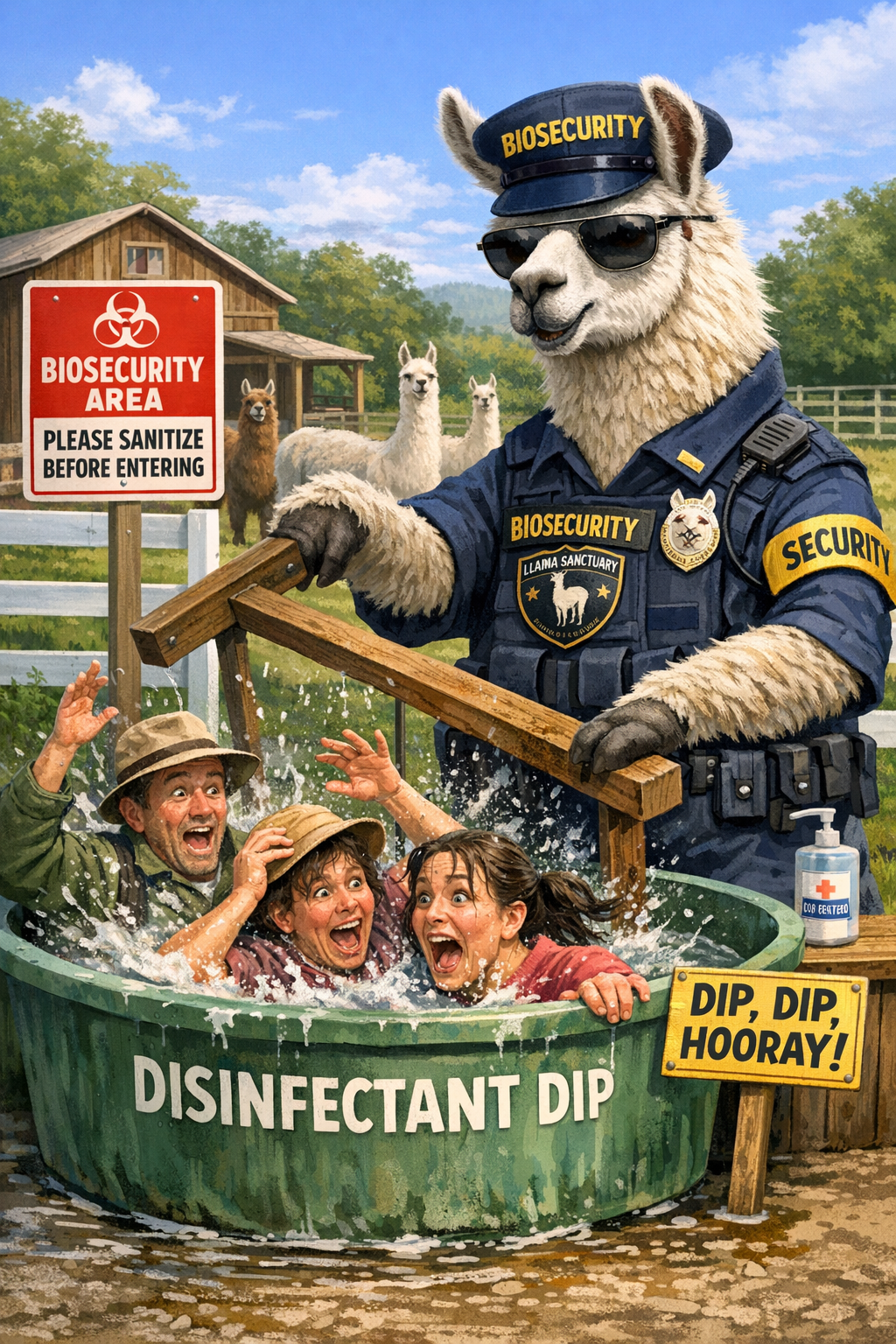
Why Biosecurity Matters
The term ‘Biosecurity’ has been pushed around Canadian news recently due to avian flu outbreaks, prompting widespread discussion and controversy, for example the widely reported situation involving ostriches on a farm in British Columbia.
Situations like this remind us that responsibility for preventing the spread of disease lays with farms and animal organizations, which must implement precautions or take action to protect animals on neighbouring farms and sanctuaries, as well as wildlife.
At The Llama Sanctuary, our biosecurity measures are simple, preventative, and routine. They are part of our responsible animal care program and are implemented by degrees, even when there are no known health concerns.
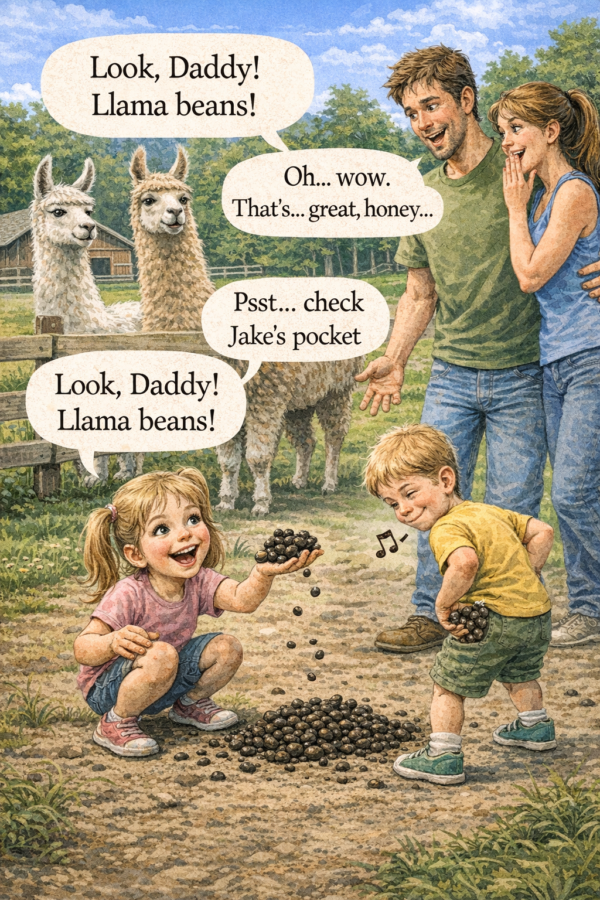
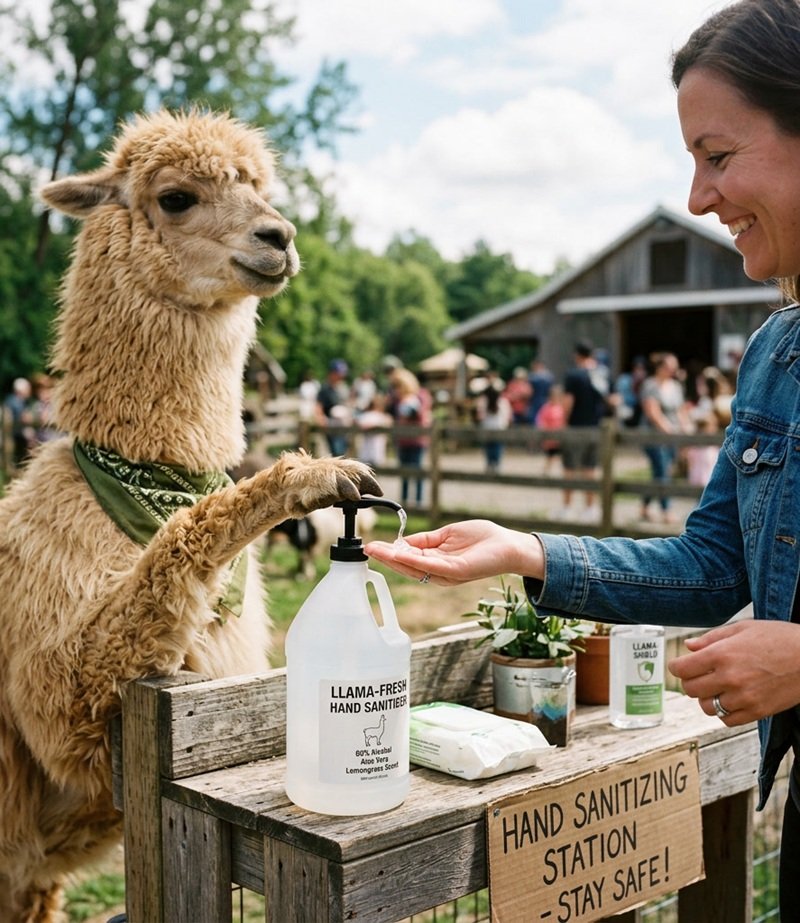
The Simple Step of Washing Hands
Many of us became experts at hand sanitizing during the COVID years. The same simple habit works just as well around animals — clean hands help keep both visitors and llamas healthy.
Help us keep all animals safe

Visit The Llama Sanctuary:
By Appointment Only
Book Now
Our Other Places
Fibre Arts Bootcamp